 Rules & Design
By Webster, Ryan
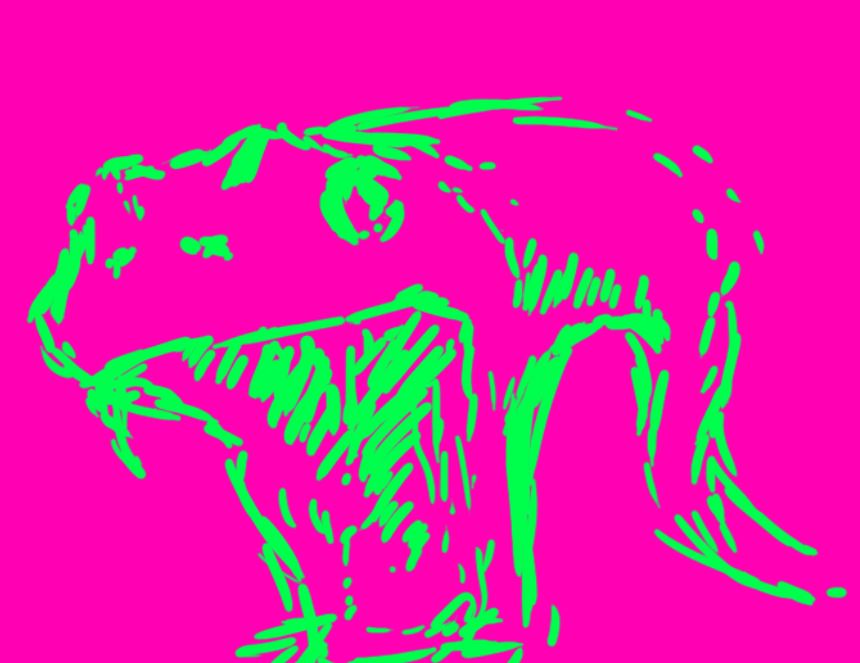
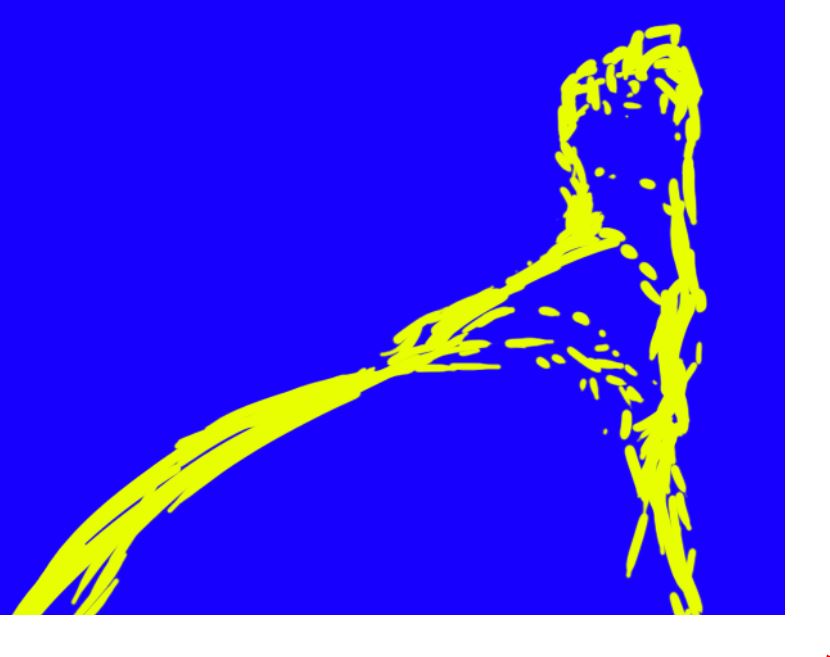
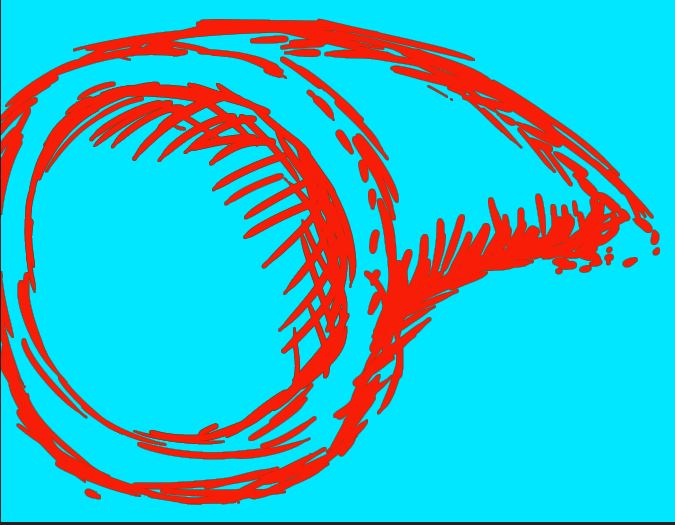
Simple or complex, rules are required to make consistency possible. But sometimes, the things most complex are also straightforward. I truly hoped the production of art was going to be easy. I was gifted with the voice of an angel to guide me through this task. “You want me to do what?” “How long do you expect me to do this for?” and the famous “I don’t understand.” I was defeated. So, I might have cheated, looked at some super generic art challenger, and decided to combine them. I know this isn’t a remarkable art piece, but I think this is a great place to start. The goal was, after all, to create a set of rules and create art with it.
Rule one) Can only use quick stroked, the receptacle shouldn’t be touching the paper/tablet for any longer than a half-second per stroke
Rule two) If on paper, only black and white. If digital. Background must be complementary to the color being used to draw with. Browns are not an option.
Tule three) In two minutes draw an object with foreshortening. It can be anything tangible. At the end of two minutes stop working.
I’m designing it this way because I think It would be fascinating to see how others tackle foreshortening without having time to prepare or the ability to use tools. The quick strokes say so much about the comfort of the artist. The high contrast will emphasize the illusion and help it jump out for dramatic effect and the time is to add tension.
I’m excited to see if anyone tries this. If not, oh well. I had a great time designing this task.
EDIT: I realized now that I sorta have 4 rules. I broke the rules on making rules…Ooof
I appreciate the restriction of complementary colors if using a digital medium. I think that makes sure the result is in some way striking.
What made you choose the combination of foreshortening & quick strokes?
Great question on the choice of foreshortening. Foreshortening is a simple concept to understand, adds emotion, shows intent while dramatically increasing engagement with the viewer.
I noticed that even with the time constraint and the small brush stroke constraint, you were able to make some great drawings!
Do these pieces of are remind you of wood burning?
I was surprised by the decision to use complementary colors. Make the work very tense like you said.
I’m curious if you let someone with no art background try it out, what kind of stuff we can get.
I did, and they didn’t do so great. I think this is an issue with their scope. They tried to do a puppy. I would not have chosen a puppy.
I like how these rules are short and to the point, I am tempted and want to try this because I can remember the steps. Did you draw this before coming up with the steps? I know you mentioned finding some references but from those did you try a few and then stick with this one? Why the constraint of such a short amount of time? It’s fun to work this fast!
this was super fun, really quick. I made a drawing.
First of all, your drawing/sketching ability is daunting. 🙂 I was struck by the readability of your sketches made with the rules. The next thing I knew though, I was feeling challenged. What is my definition of a receptacle? I knew what you meant but my mind started to go to the goop at the bottom of a messy trash can. After all, a trashcan is a receptacle as well. Next I wondered what the 2nd rule might imply, could the rule “if on paper, only black and white” apply to the paper itself? I used to love using gel pens on black paper. What would happen if I used white ink on white paper or the reverse? Now I am starting to feel like a smarty pants. In a weird way, I feel really inspired by this set of rules. It is weird how my thoughts about the receptacle and the kinds of paper engaged my attention. This was kind of brilliant.